

Read time: 12 minutes
Not all clients are great and eventually, a situation will arise where you feel you need to end your working relationship with them.
This has happened to me a few times and it’s not always easy. Remember to spare some time thinking before quitting. Don’t quit on emotion alone.
That’s why in this article, I’ll encourage you to look for ways to resolve your problems with them first.
Always look for ways to continue working if you can!
Quitting a client can mean the end of constant income, relearning a new client (potentially after a dry spell), and even negative feedback.
Who knows, it may even lead you to quit freelancing altogether.
Top reasons why freelance writers quit clients
So, let’s look at some of the situations that will make you want to quit a client.
They’re not paying you enough

Now, this can take many forms and has a lot to do with how much time you have.
Did you accept a rate too low out of desperation?
This is something I have done a few times. I didn’t understand my worth or I had unrealistic expectations about how much work I would receive or how much I would be able to do in a week.
If you come to this conclusion, are you sure you have tried to raise your wage?
This can be a bit difficult and requires delicacy. Ideally, you should give yourself a time frame in which you think it would be appropriate to ask for a higher rate.
Increasing your rate can be done more easily when a certain milestone has been achieved.
For example, if you were originally contracted for 10 articles, and your about to start the 11th, you can ask them to renew the arrangement you have with them.
Don’t just propose a new rate out of the blue because that may scare away clients.
When the time comes to it, remember to highlight everything you have achieved with the client.
You also need to think of a reasonable amount.
If you are looking to double your rate, this can be a deal breaker for many clients. Be open to finding a middle ground.
But the worst cases of not being paid enough are when they’re not paying what you agreed on.
If this happens, you need to be firm. Don’t let them get away with this.
Even if you are 100% sure you want to quit them, at least make sure you get paid completely for the work you have already done for them.
And certainly, do not start any new work for them without receiving payment for past work.
Remember that you do have some power over them. You are able to spread the word that they did not pay you properly. But at the same time, don’t come across too threateningly.
You have to nag them to be paid

The bane of a freelance writer’s existence is to nag clients to be paid!
Don’t worry, it happens a lot, you’re not the only one who’s had this problem.
If they’re not paying you on time, you need to come up with a strategy to be paid.
You need to come up with deadlines and make sure they stick to it. Send them reminders when you deliver and then every couple of days.
The first reminder should be when you deliver. Summarise the work you have done (best done in an invoice) and add how much you should be paid.
If you still haven’t been paid and especially if they haven’t responded, send the second reminder.
The second reminder should ask if everything is okay with the work you have done. Keep in mind they might still be reviewing it or may not have had the chance to look at it. Be polite!
Now you should take a break from reminding them. Perhaps a week. Respect that they may have a busy schedule.
Then send the third reminder.
Now you need to be serious, no more niceties. Be business-like and straight to the point, leaving any emotions out of it. Emotion will only do you more harm than good.
If they still haven’t paid, you need to start thinking of other ways to make them. If you are using a platform, speak directly to them.
You also need to consider if the money is good but late, is it really worth risking?
If it gets to the point where you are at your wits ends. Threaten them; tell them that you will no longer stand for this.
This is an especially difficult situation if you are being paid through a platform like Upwork, where it takes time to process and you may miss the payment that month.
Their attitude is horrible

First off, you don’t work in an office.
No one regulates how you act to one another and this can result in clients treating freelancers like trash
It is hard to know how to respond in such situations. You need them, but you dislike them. It also depends a lot on your personality.
If you can take the attitude, then maybe it’s not such a problem. But if you can’t there’s no shame in leaving them.
Negative clients can have a negative effect on your work, both for them and your other clients.
Cut them loose before it affects everything. You are professional and you don’t have to deal with this.
If they’re attitude upsets you, have you told them? Being passive aggressive is not the answer.
Be more affirmative and tell them what you are unhappy about.
Cultural differences and languages may play a role in this too.
So, you need to also think about how to them what they are saying is just them being direct or their language skills may be very poor.
They may not even realise that you might be offended by what they say.
If even after talking to them and trying to resolve the issue the problem persists, you need to quit them. They have broken your trust.
They’re unwilling to negotiate pay or workload

This kind of situation is more straightforward, but you must first assess if this is really a problem or not.
If you’re not able to negotiate wage or workload, tell them that in that case you cannot prioritise their work and they will have to come second to your other clients.
Such action may make them either pay you more, be more flexible with deadlines or just drop you.
If you don’t have other clients yet, start looking.
Don’t risk this client until necessary. They will have to accept later deadlines.
They’re constantly asking for unnecessary edits
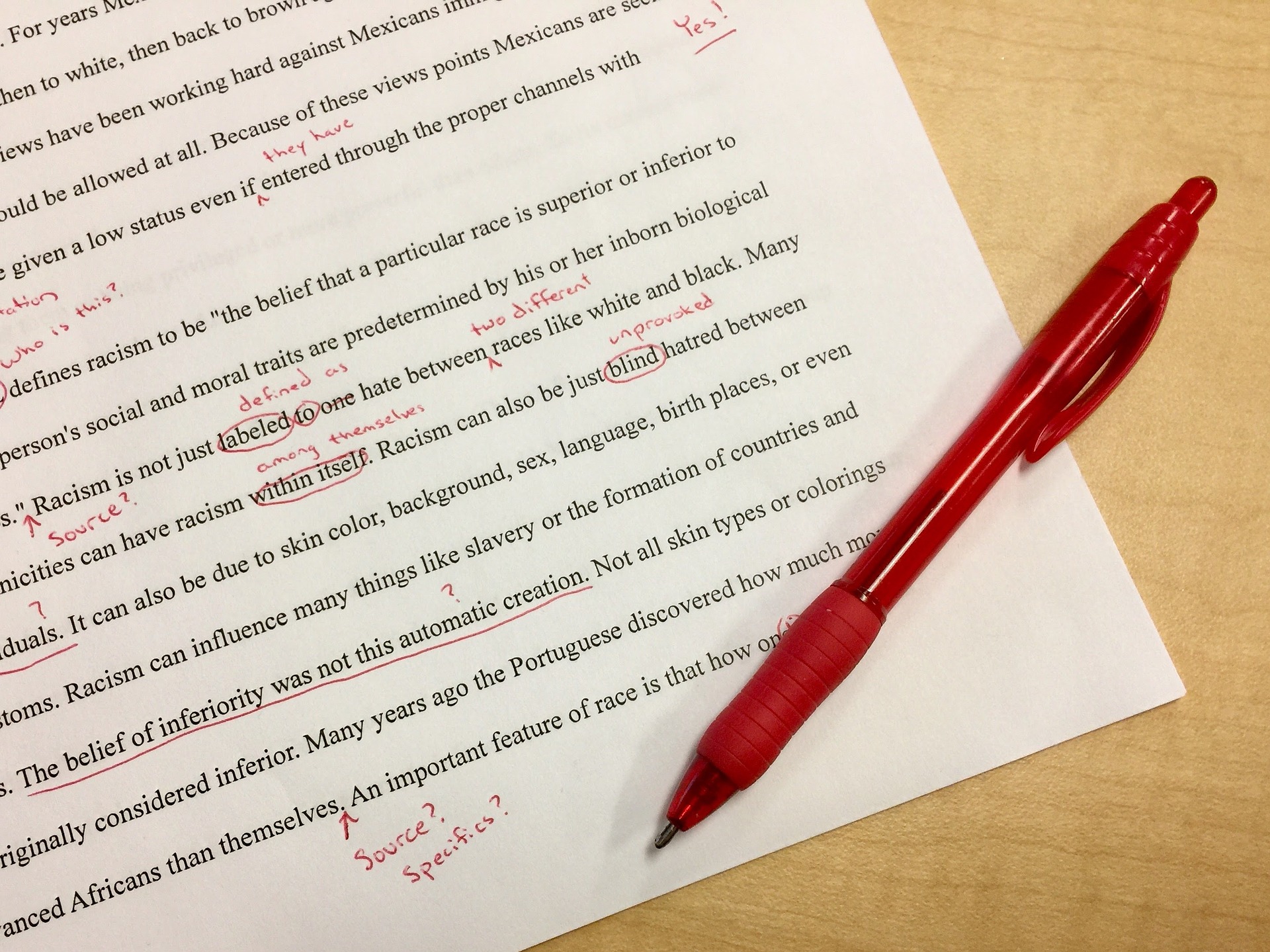
Have you ever been in a situation where you submit work and you think it’s finished so you start something new, only to be called back to make an edit?
Then another edit? And then another? It’s frustrating and it’s exactly what I’m talking about.
If your client is constantly asking for edits, then it may be time to consider creating a rate for edits and overtime, if you haven’t already.
Proposing this requires a good degree of thinking beforehand.
Not only do you need to think of an appropriate rate, but you also need to find the right way to explain this.
They will also likely need time to think about this, so give them time.
In the end, it is also about the time you have. Time you could spend on other clients.
It may also be time to ask them to review their review process. See if there is a way to speed things up.
If there is a third-party involved, it may be time to ask to be put in touch directly with them. You may be freelancing for an agency that outsources from a bigger client.
Don’t be afraid of them, don’t think of them as any different than the original client.
Though you should bear in mind that when you speak with them, you are talking on the behalf of your client, so be sure to be presentable.
You also need to be honest with yourself.
Are you experienced enough to write on this topic? If not, then to need to accept that you are still learning and that your client requesting edits is normal.
If the constant edits are a problem for them, consider reminding them that as you gain more experience on the topic, you will do better and fewer edits will be required.
And don’t forget to remind them of your worth and everything you have achieved together.
If you’re an experienced writer on this topic, then this is not normal, ask them about it.
In the end, it may just be that they are inexperienced and not sure what they want (more on that later).
If you decide you actually want to keep this client, propose that they take on an editor.
Poor deadlines

Poor deadlines can really exhaust freelancers.
If the deadlines are not working for you, tell them. Simply ask for more time. Quite often clients can be flexible with deadlines.
In some cases, the deadlines set by clients are not urgent, they can just be a random date they picked and in reality, it wouldn’t matter when they received it.
Are you setting your own deadlines? Stop this practice!
Still an issue? Have you asked for an increase in payment? Perhaps the time frame won’t be so bad? More money for your time.
If that’s not an option, see if you can meet them halfway. What can they offer you?
Or as a last resort, tell them you are no longer able to keep to their short deadlines.
Another option might be to ask for them to make bulk orders.
Remember, you are freelance. This is not a 9 to 5 job; you do have control. You can set your own deadlines and workload.
Their motives are unclear

Ideally, you should have a good understanding of what your client is trying to achieve from the very beginning. Even if the topic is new to you, you need to know what the end goal is.
But this not always the case.
Sometimes they don’t explain themselves well.
Again, this can be down to poor communication, either their language skills are bad (maybe they are using a second language), they are unprofessional, or they really do not know what they want.
If they are unclear about what they want to achieve, you need to be calm and ask them.
Have a discussion with them and learn as much as possible. Make them talk.
And again, if the problem persists, it may be time to consider leaving them.
You’ve found better work elsewhere

If you’ve found better work elsewhere you have leverage. Inform them of this and see if you can get more money from them instead.
But don’t get too excited.
Remember, you will have to learn a whole new client. It would be much easier to stay with the old client for more money.
If your old client is reasonable, they shouldn’t have such a problem with you leaving. Wish them good luck and stay in contact!
They’re asking you to do things that are outside of your job description

If you are being asked to do more than you are expected, get paid for it!
This may involve small tasks like finding pictures, editing other people’s work or even translation.
Introduce a new rate for this work.
And, if you’re working on a per word basis, it may be time to switch to per hour instead.
If they expect you to do the work without it being part of your job description, explain to them that this was not originally part of the deal.
And if they still won’t pay extra, be firm and stick solely to the writing.
If they will not pay without the extra work, it’s time to quit them.
How to leave a client
Stop right there! Just because the client you’re working with ticks some of these boxes doesn’t mean you should quit them!
You may still be able to salvage this relationship. No client is completely perfect.
But if you really see no other option, there are some things you can do to make it easier.
- Be business-like. Get straight to the point and give them options. Either they accept your demands, or you quit.
- Apologise. Inform them that you can no longer work in this way. They may even feel guilty about it.
- Wish them good luck. Unless you really can’t stand this to-be-ex-client, there’s no reason not to be
- Tell them why you are leaving them. Be completely honest with them, there is no reason to hide anything. They may even be able to resolve the situation.
- Give them feedback. Help them learn from their mistakes so other freelancers don’t have to go through the same situation!
- Think it over for at least a day. Plan how you are going to quit them. Thinking it over for a while will improve how you approach them.
- Set yourself a deadline to quit by. Abruptly quitting will do neither of you good. At least get yourself another client before leaving this one.
It gets easier
As you become more experienced, these problems will become easier to handle and easier to spot.
Don’t let them stress you out. There are plenty more clients out there.
Experiencing them isn’t so bad because you need to learn from them, and you will be less likely to fall into the same trap again.
Your turn
What did you think of this post? Let me know! Leave a comment.
Read more posts here!
 Mastering Freelance Writing | Tips and Tricks